
Dev Log 5: What’s in a Name: Choosing Our Game Title
“The most expensive marketing mistake might happen before your game even has a logo.”
- Maria Amirkhanyan
Dearest Community,
Naming is one of the earliest product decisions devs encounter, yet it’s often based on brainstorming sessions and internal votes.
At Rustling Leaves Games, we’ve decided to treat it like any other product decision: define reasons, validate them with real-life players, and make the final choice using evidence rather than intuition. Of course we would have a biased opinion; we’re the ones making the game!
Our process:
Define what the title should communicate – establish the game’s core themes, emotional tone, and the expectations the title should create (or avoid!).
- Before writing a single title, we asked ourselves: What emotions should players feel? What themes should the title communicate? What expectations should it create? What expectations should it avoid?
Generate ideas across the studio – collect a wide range of title concepts from different creative directions rather than relying on a single brainstorming session.
- Instead of searching for “the perfect title” immediately, we generated dozens of ideas across several naming directions: emotion-first, symbolic, character-driven, location-based, poetic, and more abstract approaches. The goal wasn’t to find the answer right away, but to explore fundamentally different ways of communicating the game’s identity before narrowing the list. This gave us much more variety than a single brainstorming session ever could.
Build a shortlist using guidelines – filter every idea against practical naming principles rather than personal preference.
- Consider readability, pronunciation, memorability, appropriate length for digital storefronts, discoverability on Steam and console stores, SEO (search engine optimization) potential, trademark and domain availability, long-term branding, and how well the title communicates the intended genre and tone. Only the strongest candidates that satisfy both creative and commercial requirements move forward to player validation.
Evaluate each title against consistent criteria internally – assess each title against consistent criteria with a team that already understands the game.
- The internal evaluation focused not only on practical aspects like readability, memorability, pronunciation, and originality, but also on how accurately each title reflected the game’s core themes, emotional tone, atmosphere, and intended player experience. Since the team already had full context, this stage helped identify which titles best represented the creative vision.
Validate the finalists with an external audience – test the same titles with people who have no prior knowledge of the project.
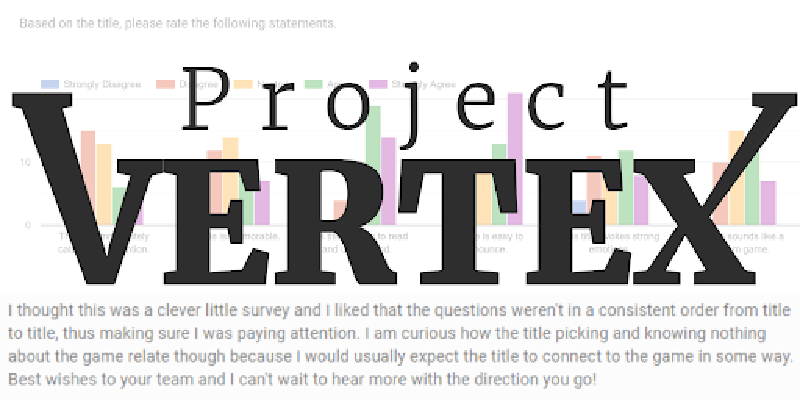
- Unlike the internal team, external participants evaluated each title solely on first impressions. We measured perceived genre, emotional associations, curiosity, click interest, memorability, readability, pronunciation, and the expectations each title created on its own. To reduce response bias and keep participants engaged, we intentionally varied the question formats throughout the survey, encouraging instinctive rather than over-analysed decisions.
- We recruited external participants from a variety of sources, including friends and family, game development communities, Discord servers, Reddit, and social media. This helped us gather feedback from people with different backgrounds rather than relying on a single audience. The primary recruitment criteria was simple – participants buy and play premium games on platforms such as Steam, EGS, and other PC and console storefronts.
Compare qualitative and quantitative findings – identify where player expectations align with the intended experience and where they diverge.
- Some titles that perfectly represented the game internally created misleading expectations for new players, while others generated strong curiosity but failed to communicate the game’s identity. Comparing both perspectives helped us understand not only which titles people preferred, but also which ones consistently communicated the experience we wanted to deliver.
Review commercial and legal viability – ensure the strongest candidates are practical beyond the creative process.
- Before making a final decision, we reviewed trademarks, existing games, Steam and console storefronts, search results, domain availability, and social media handles. A great title also needs to be discoverable, legally viable, and capable of supporting the game throughout its lifetime.
Make the final decision – combine creative judgment with player research to select the strongest title.
- Rather than relying on intuition alone, leadership reviewed the complete picture: internal evaluations, external player feedback, commercial research, and legal checks. The final decision wasn’t simply about choosing the most popular title; it was about selecting the one that created the right expectations for players while supporting the game’s long-term vision.
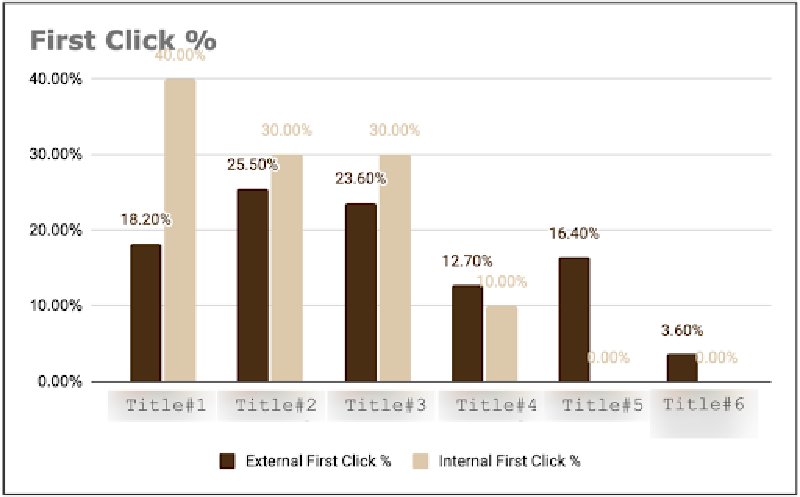
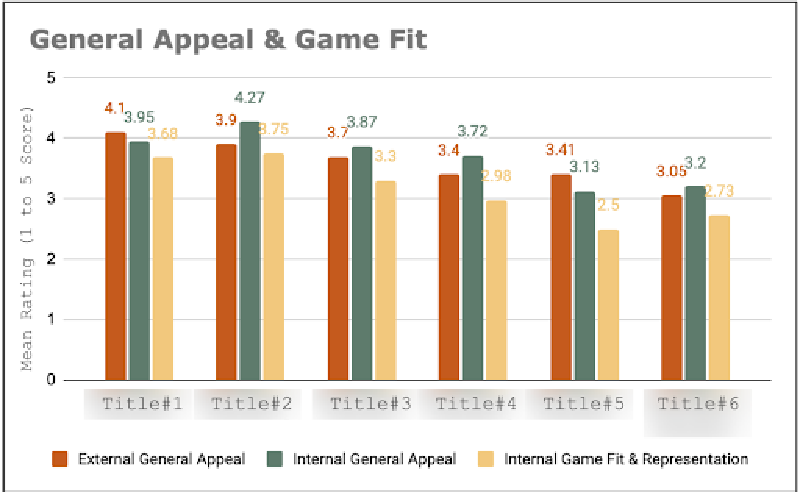
The biggest surprise wasn’t which title won – it was discovering how differently players interpreted the same words. Inside the studio, every title carried months of context. Outside the studio, it had to stand entirely on its own. Title #1 appealed more to players seeing it for the first time, receiving the highest external general appeal score (4.10), while internally it ranked only 3rd (3.95). Title #2 showed the opposite pattern: it achieved the highest internal general appeal (4.75) while remaining one of the strongest performers externally (3.90). That difference highlighted why relying on internal or external feedback alone would have led us to a different decision.
Every title creates an immediate hypothesis about genre, tone, audience, gameplay, and even quality. If that hypothesis is wrong, you’ve already introduced friction before the first screenshot or trailer.
That’s why we stopped asking “Which title do we like?” and started asking “Which title creates the right expectations?”
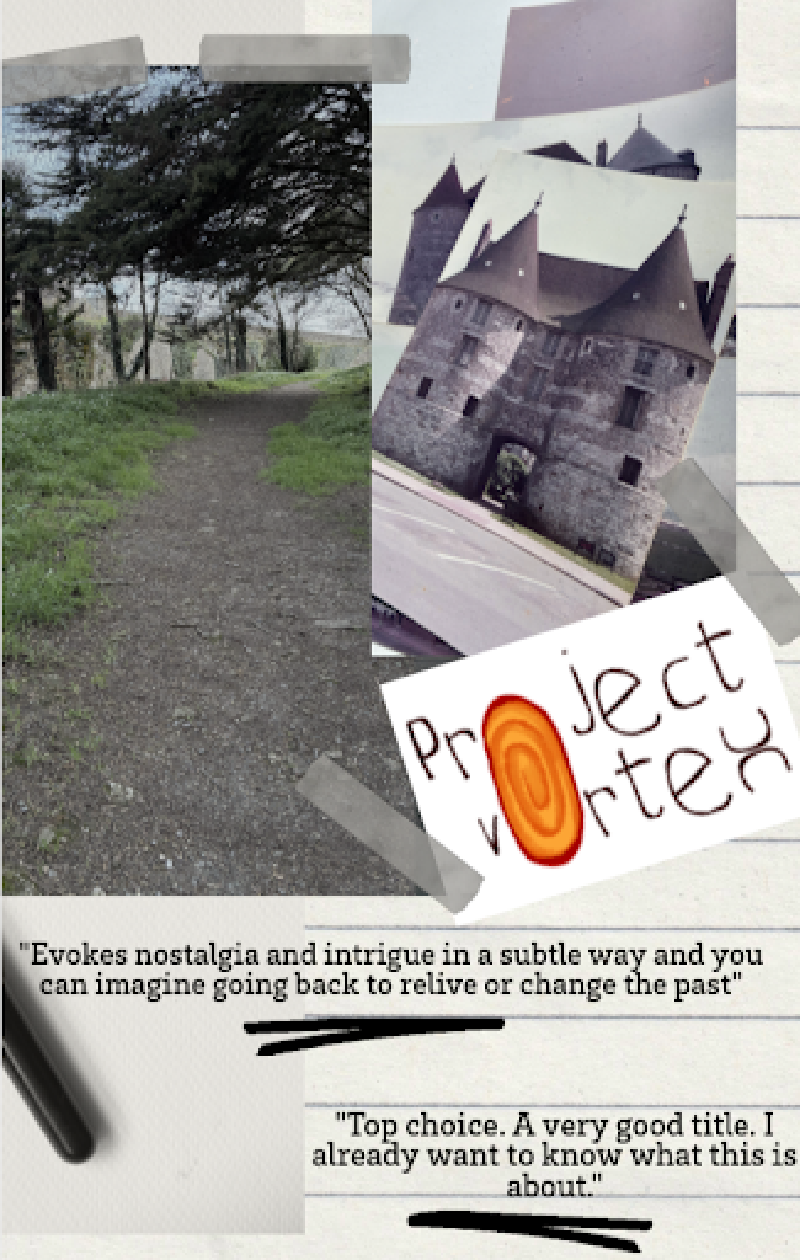
While we are still in the process of sorting out all the data collected from the survey, here is a quick look at what people think about the strongest contender on our list!
The title of our first official game will be announced soon! Stay tuned!