Dev Log 3: Sculpting Words: Narrative Design of Project Vertex
Dearest Community,
Our narrative journey began with a short paragraph describing Project Vertex, lost within a 20-page Game Development Document (GDD). At the time, we only knew two things about Project Vertex: that it was a role-playing game where the players could affect the outcomes of the story, and that the story meant everything to the game. We wanted to make players laugh, be curious, and experience a sense of familiarity. What started as a paragraph has since turned into a document all of its own, called the Narrative Bible. This document outlines a breakdown of every episode, act, and scene within our game. Some things were easy to decide; nature showcases four seasons, so each episode is based on a new season. Acts are moments within the Episode. Scenes are the played-out scripts within the act itself. We quickly realized we were going to be overwhelmed with the sheer amount of work that it takes to write out a story. Without a story, you cannot create concept art; without concept art, there are no assets; without assets, you can’t whitebox game mechanics.
It was at that point that we began building our narrative team. What worked for us is to have one point of contact for the narrative team, a narrative lead responsible for aligning with world-building and owning the Narrative Bible, a research team that investigates the time periods our game explores and makes sure that it aligns with the content we create, and a script writer who takes the direction of the story and types full speed.
The Narrative Bible is our document that goes over the plot and characters of a game, enshrining them like gospel for the rest of the team. The Narrative Bible goes through each moment of the game in detail so that the other writers have a shared foundation to work from. That way, anyone can work on the script and not roam too far off-course.
We also created detailed profiles for our characters, environments, and enemies. Each of these elements is integral to the narrative-driven heart of our game. Even minor characters and small set pieces get a full workup so that each piece of the world feels alive.
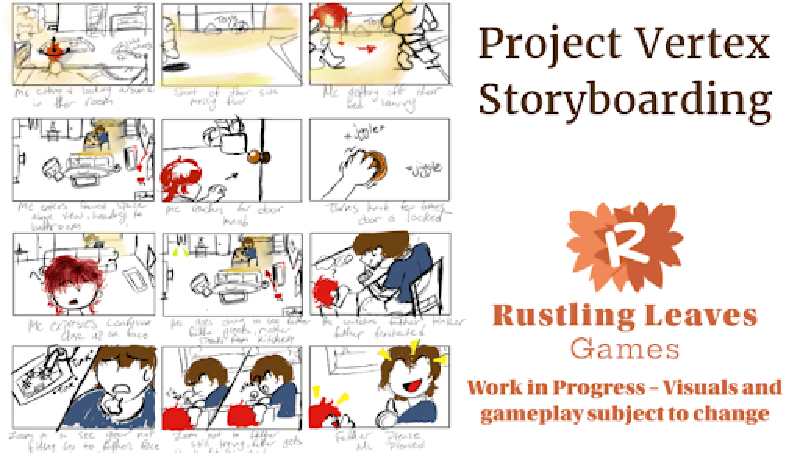
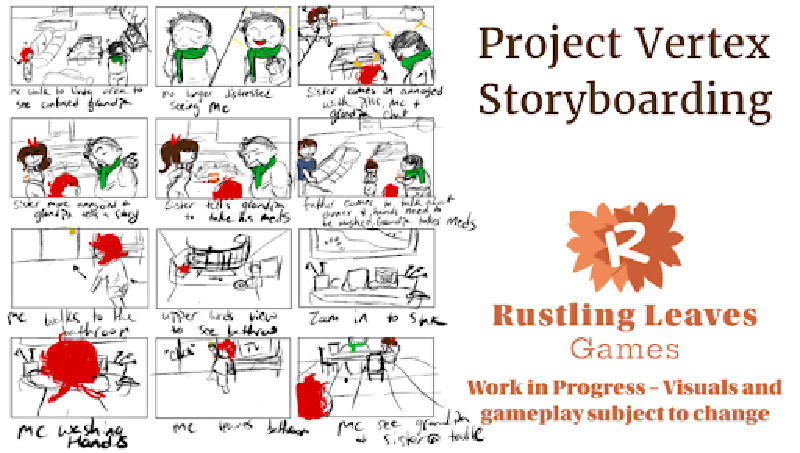
With that, we finally get to the script. Video game scripts are quite different from theatre scripts, as they include a wide range of notes for the other departments. Our script tells the artists, sound designers, animators, and game developers the key narrative elements they must interweave into their mechanical development. We break the game down scene by scene, act by act, until we have a complete episode ready for the creative and developmental teams to take over.